Published by Dogpay ·
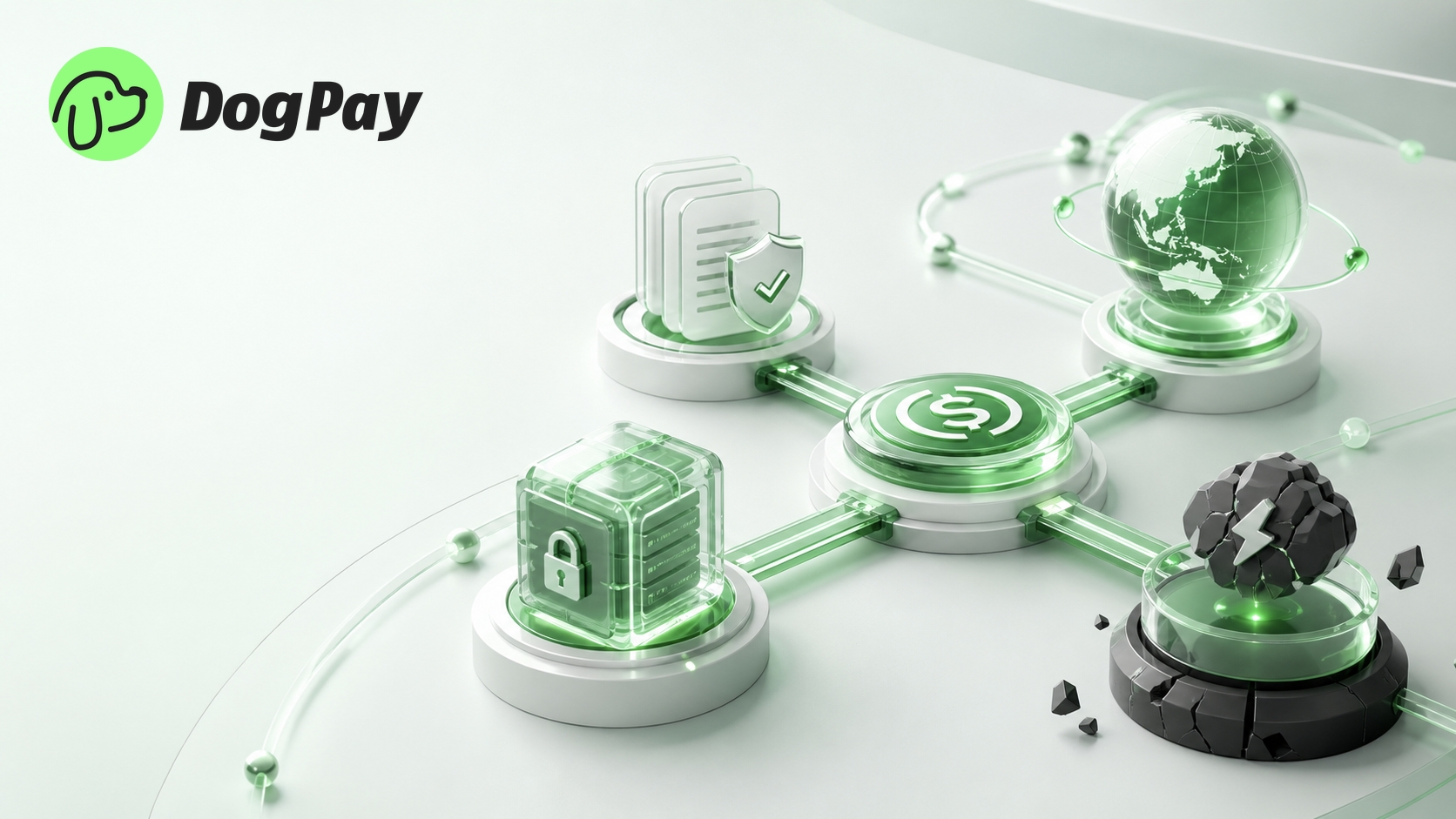
Stablecoins Continue to Expand as Global Payment Infrastructure
Stablecoins Are Becoming Payment Infrastructure—But Trust Comes First
Stablecoins are no longer waiting for one global regulatory breakthrough. While U.S. legislation continues to face delays, Asia is rapidly moving stablecoins into real payment scenarios, and recent security incidents highlight why risk management is becoming just as important as speed and cost.
Key Developments
1. U.S. regulation remains uncertain
The CLARITY Act is still under debate, reflecting ongoing discussions around compliance, market oversight, and consumer protection. Despite regulatory uncertainty, the stablecoin market has continued to grow to approximately $310 billion, showing strong industry demand.
2. Asia is accelerating adoption
Companies including Kakao, Circle, Samsung, Ripple, and BPI are expanding stablecoin applications across merchant payments, cross-border remittances, digital wallets, and institutional settlement. The focus is shifting from experimentation to real-world payment infrastructure.
3. Security and compliance are critical
Recent exploits involving WEMIX$ and Balance Coin demonstrate that smart contract vulnerabilities and oracle failures can directly affect payment reliability. For merchants, choosing secure, compliant infrastructure is just as important as transaction speed.
What Merchants Should Focus On
Before adopting stablecoin payments, businesses should evaluate:
Regulatory readiness across target markets
Stablecoin quality, including reserves, issuer credibility, and security
Payment experience, ensuring simple and intuitive checkout
Operational controls, including reconciliation, refunds, monitoring, and compliance
DogPay's View
Stablecoins are evolving into a core layer of global payments. Long-term success will depend not only on faster settlement, but also on trust, compliance, and operational reliability. DogPay helps merchants adopt stablecoin payments with secure, transparent, and scalable payment infrastructure—making digital payments practical for both businesses and customers.