Published by Dogpay ·
Zambia, Tanzania Face Parallel Post-Election Crises As Disputed Votes Trigger Crackdowns
English version above, Chinese version below.
East Africa's Post-Election Cracks Converge
Zambia and Tanzania are both confronting the fallout of disputed elections, and the fault lines are hardening within days of each other.
On August 27, Zambia's opposition Tonse-Pamodzi Alliance formally urged the African Union to intervene before the September 1 inauguration of President-elect Hakainde Hichilema, arguing that the swearing-in would "render judicial scrutiny of the election moot." The letter cited the August 25 closure of the Constitutional Court by security forces — the last day the opposition could legally file a challenge. Independent observers had flagged indications that Hichilema's vote count (roughly 60%) was inflated. The judiciary confirmed no presidential petition was received and that the September 1 ceremony will proceed.
On the same day, Tanzania's ruling CCM party expelled former Vice President Emmanuel Nchimbi for "indiscipline," just days after his resignation. Nchimbi had said his resignation takes effect September 4. The party nominated Energy Minister Deogratius Ndejembi as President Samia Suluhu Hassan's new deputy. The crisis traces back to the October 2025 election, when security forces suppressed protests after Hassan's main rivals were disqualified. A post-election inquiry found 518 people were killed in the violence; commission chair Mohamed Chande Othman said the real toll was likely higher. Main opposition figure Tundu Lissu remains jailed on treason charges he calls politically motivated.
Zambia's crisis is a sprint — the opposition has five days before the inauguration deadline. Tanzania's is a marathon — CCM has ruled since 1961 and the system absorbs dissent through party discipline, not courts.
ECOWAS Sets a Clock, the Market Watches
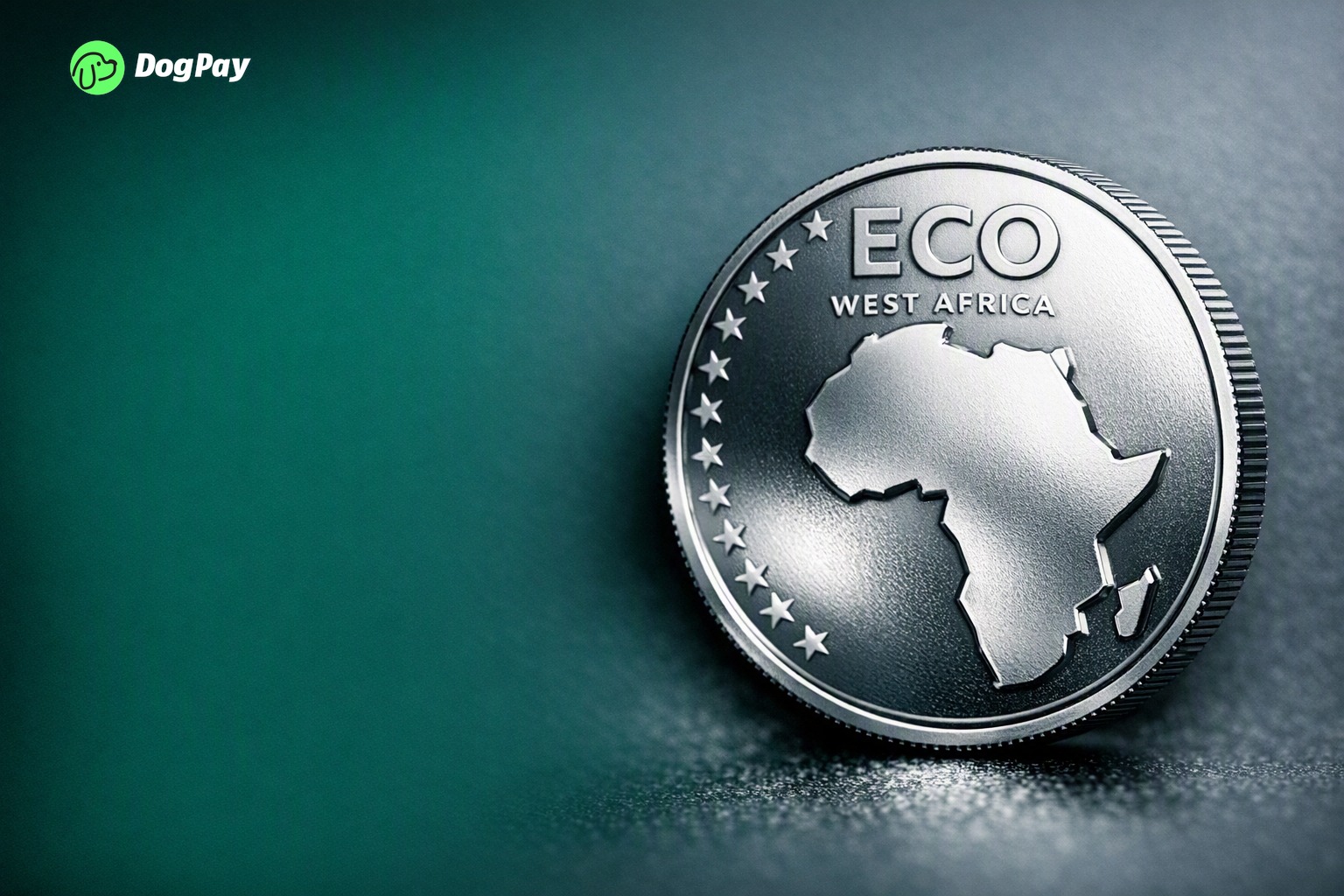
On July 19 in Freetown, ECOWAS heads of state reaffirmed a 2027 target for launching the single currency ECO, rolling it out in phases starting with countries that meet convergence criteria. The trademark has been registered with the African Intellectual Property Organization.
But this is the latest in more than two decades of missed deadlines. The structural obstacles — wide economic divergences among member states and unresolved questions of monetary sovereignty — remain unchanged. A World Bank and French Development Agency report, cited by Jeune Afrique on August 28, found that while Africa trades more processed goods internally than with the rest of the world, the scale is far below potential. The bottleneck is not tariffs but "frictions" — customs systems that don't communicate across borders, trucks stuck for hours at a single checkpoint.
On August 28, Nigerian and Nigerien customs administrations announced deepened cooperation to address border trade obstacles, a bilateral move that echoes the continental integration agenda at a smaller, more practical scale.
The pattern is consistent: political declarations at the continental level, piecemeal progress at the bilateral level, and the same structural barriers in between.
Energy and Banking Giants Redraw the Map
East Africa's refining market is becoming a three-way contest. On August 28, Jeune Afrique reported that Nigeria's Dangote, global commodity trader Vitol, and UAE-backed Alpha MBM are competing for refinery investments as East African governments seek to reduce fuel import dependence. The battle is about crude supply, infrastructure, and distribution networks — not just processing capacity.
Meanwhile, Société Générale's exit from African banking is stalling. By June 30, 2026, the French group had completed nine subsidiary sales between 2023 and 2025 (Congo, Chad, Mozambique, Morocco, Madagascar among them), but the remaining disposals — in Benin, Cameroon, and Togo — are bogged down in regulatory hurdles and sovereignist pushback. The planned sale of 93.43% of Société Générale Benin to the Beninese state remains classified as "disposals in progress." Société Générale has already slipped to third place in the WAEMU banking league behind Coris.
Two parallel stories of foreign capital recalibrating: one rushing in (energy), one struggling to get out (banking).
Security, Health, and the Taiwan Factor
On August 27, China's foreign ministry told Chinese nationals to "evacuate as soon as possible or relocate to safer areas such as South Africa" from Eswatini, citing cyber fraud and online gambling criminal activities. Eswatini — one of 12 countries still recognizing Taiwan — called the security warning "unsupported" and "regrettable." More than 200 Chinese nationals work in the country's textile, retail, and restaurant sectors. At least 55 Chinese citizens were arrested in Eswatini this year in a crackdown on an alleged cyber-fraud network. The diplomatic subtext is clear: Taiwan's president visited Eswatini in May, and on May 1 China extended zero-tariff treatment to all African nations except Eswatini.
In Algeria, wildfires in the northern region have killed at least 12 people amid extreme summer heat. Hundreds of fires have swept the north this season.
In Nigeria, the NCDC warned of a fresh cholera surge: over 65,000 cases across 35 states, with diphtheria cases also exceeding 10,000. The agency is calling for accelerated vaccination.
Three separate pressures — geopolitical, climate-driven, and epidemiological — converging on the continent in the same week.