Published by Dogpay ·
AfCFTA Ambitions Run Into Infrastructure, Tariff And Governance Bottlenecks
English version above, Chinese version below.
Regional integration meets execution gaps
On August 29, a Jeune Afrique report on intra-African trade cited infrastructure and tariff barriers as constraints on the African Continental Free Trade Area’s ambitions. Processed goods account for a larger share of intra-African trade than of Africa’s trade with the outside world, but the overall scale remains below expectations.
On August 28, more than 200 researchers, entrepreneurs, regulators and financial partners from seven West African countries met through the Centre of Excellence for Seed Systems in Africa. ECOWAS rules adopted in 2008 provide for mutual recognition of certified seed, and a 2018 agreement extended cooperation across 17 countries. Implementation remains uneven. In Nigeria, more than 90% of early-generation seed still comes from public research institutes. CESSA said more than 650 scientists had been trained and over 685 varieties released over two decades, while fewer than one in ten cassava and yam varieties had reached farmers before newer multiplication techniques expanded supply.
On August 29, Nigeria and Tunisia announced a trade and investment acceleration agreement covering agricultural processing and the digital economy. On the same date, US–Nigeria bilateral trade was reported to be approaching $15 billion, with energy, technology and agriculture among the areas of cooperation. The three cases place market access, production capacity and external partnerships in the same regional trade story.
Corridors and commodities are being reorganised
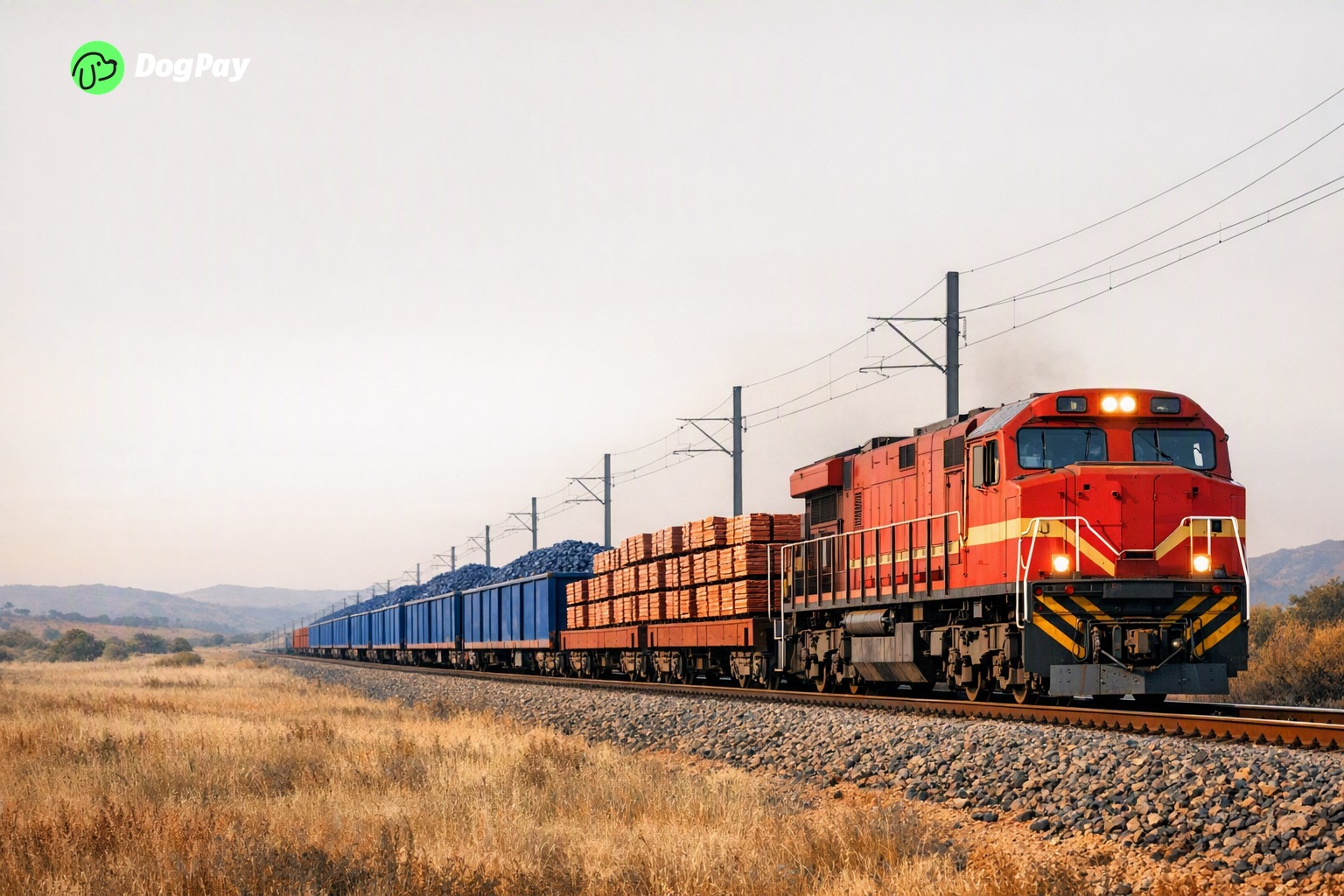
On August 29, the Lobito Corridor concession linking Angola, the Democratic Republic of the Congo and Zambia moved forward. The railway is intended to improve the export route for copper and cobalt. The project also raised concerns about limited local processing capacity and the possibility that mineral value will leave the region without a larger domestic industrial chain.
On August 29, the Central African Republic government increased oversight of the gold sector after the Zamboï mine disaster. Some licences were suspended and export controls strengthened, with the stated objective of targeting illegal mining and smuggling.
In another financial-sector restructuring reported on August 29, Société Générale’s planned sales of subsidiaries in Benin, Cameroon and Togo remained stalled. Buyer financing and regulatory approvals were identified as the main obstacles. The cases connect transport infrastructure, mineral governance and banking ownership to the practical conditions for investment.
Political systems are being reset through executive action
On August 29, Guinea-Bissau held a constitutional referendum on a draft framework that would strengthen presidential powers and reshape parliament and electoral institutions. Opposition groups raised concerns about democratic backsliding.
On August 27, Democratic Republic of the Congo President Félix Tshisekedi announced the launch of a large national dialogue after months of delay. The stated goal is a “peace and governance pact”; opposition figures questioned the process and its intentions.
In Gabon, the administration of Brice Oligui Nguema continued efforts to recover assets linked to former president Omar Bongo’s family in Gabon and abroad. The asset-recovery campaign was reported on August 29 as one of the most closely watched anti-corruption actions in Francophone Africa.
The three political developments involve different institutional settings, but each places constitutional authority, political inclusion or control of state-linked assets at the centre of the current transition.
Infrastructure failures are becoming political disputes
On August 29, former Nigerian senator Ben Murray-Bruce called on President Bola Tinubu to decentralise electricity generation, transmission and distribution, giving states greater autonomy in response to long-running power shortages.
On August 29, frequent power cuts during a period of extreme heat in Tunisia triggered protests that expanded from complaints about electricity supply into criticism of the government. Electricity reliability and political accountability appeared together in the public response.
On August 28, clashes in Ceuta followed a mass arrival of migrants from Morocco about one month earlier. Africanews reported that the territory, covering 18 square kilometres, was hosting thousands of migrants: Spanish government estimates ranged from 3,500 to 7,000, while local authorities put the number above 10,000. Protesters blocked Red Cross vehicles carrying food and water for more than two hours; police later dispersed demonstrators after belongings and makeshift shelters were set alight. On August 27, Spain’s Interior Ministry announced additional staff for migrant identification, while the government approved €25 million for unaccompanied minors and established a single command for Ceuta.