Published by Dogpay ·
Understanding the Different Ways to Send Money Internationally
Sending money across borders used to be a relatively straightforward process: visit a bank branch and request an international wire transfer.
Today, the landscape has expanded significantly. Digital platforms, multi-currency accounts, and mobile-based payment tools have created new options for managing international finances.
As a result, choosing the right solution often requires understanding how different services work and which situations they are designed for.
Major Types of Cross-Border Transfer Options
Several categories of services are commonly used for international transfers.
Traditional banking networks
Bank wire transfers remain one of the most established ways to move money internationally. They are widely supported and typically considered secure.
However, users may encounter challenges such as:
Complex transfer procedures
Limited fee transparency
Processing delays depending on intermediary banks
These factors have encouraged the growth of alternative digital services.
Digital remittance platforms
Many online platforms now focus specifically on international transfers.
These services generally offer:
Mobile or web-based transfer interfaces
Multi-currency support
More visible pricing structures
Different platforms may prioritize speed, convenience, or cost efficiency depending on their design.
Multi-currency financial platforms
Another emerging category is multi-currency account services.
Instead of focusing only on sending money, these platforms allow users to hold and manage funds across different currencies.
Users may be able to:
Maintain balances in several currencies
Pay international merchants
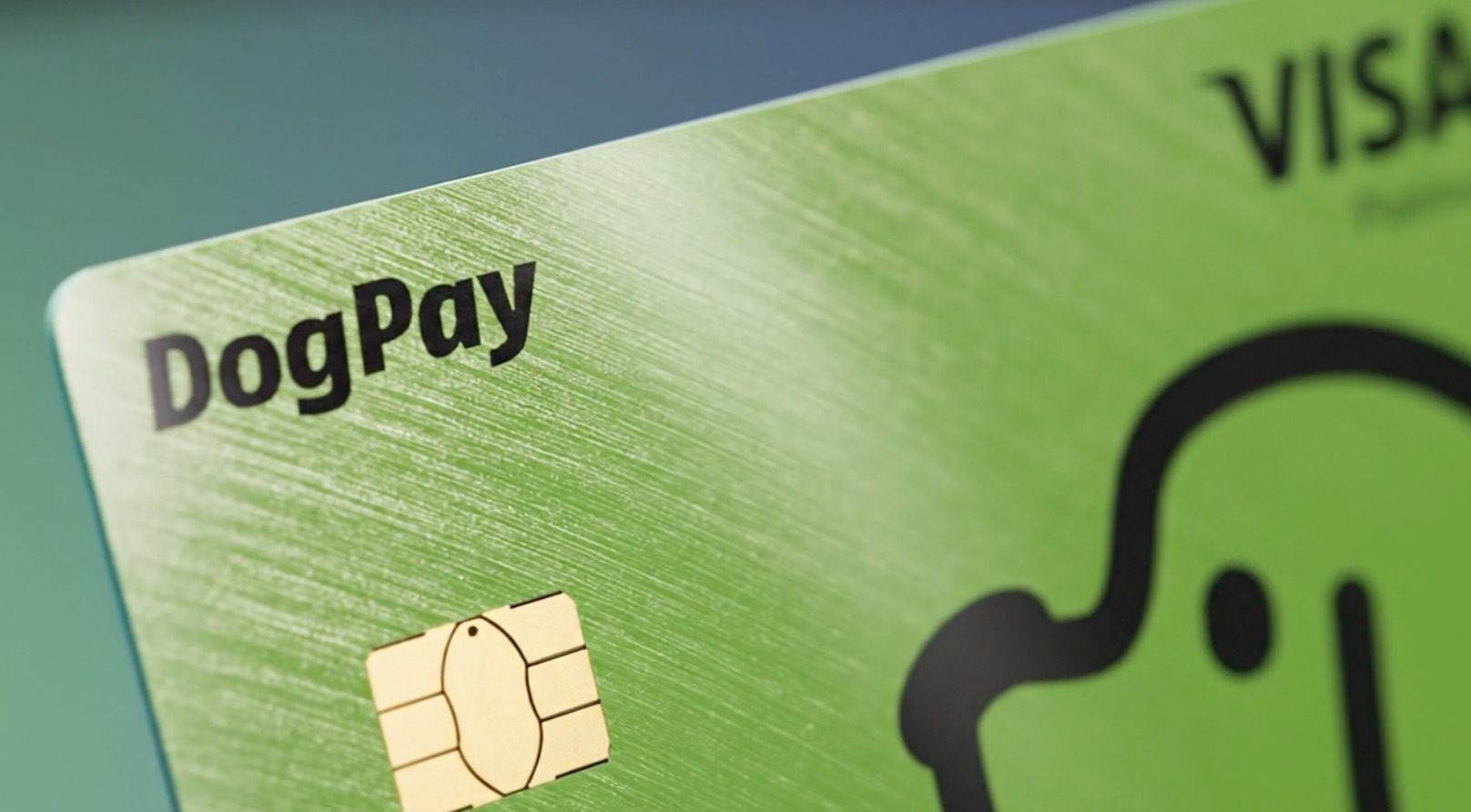
Use virtual or physical payment cards
Platforms such as Dogpay combine these capabilities into a broader financial ecosystem, helping users manage cross-border payments and balances within a single system.
What to Look for When Comparing Services
When evaluating international transfer providers, several factors can be useful to consider.
Exchange rate transparency
The effective cost of a transfer often depends on the exchange rate margin as much as the transfer fee.
Processing speed
Depending on the payment network used, transfers may take anywhere from minutes to several business days.
Geographic coverage
Some services specialize in specific regions or corridors. Confirming supported countries and currencies can prevent complications.
Additional account features
Certain platforms provide only transfer services, while others include broader financial tools such as digital accounts or payment cards.
A Shift Toward Integrated Financial Tools
Global mobility and remote work have increased demand for flexible financial infrastructure.
Many users now prefer services that allow them to:
Manage multiple currencies in one place
Make international payments easily
Reduce the complexity of switching between financial systems
Platforms like Dogpay reflect this trend by combining digital account access with cross-border payment capabilities.
Conclusion
International money transfers are no longer limited to traditional banking channels.
With the expansion of digital financial services, users now have more options for managing cross-border funds. The most suitable solution will depend on individual priorities such as speed, cost transparency, and available features.
As global financial activity continues to expand, flexible and transparent tools will likely play a growing role in everyday money management.