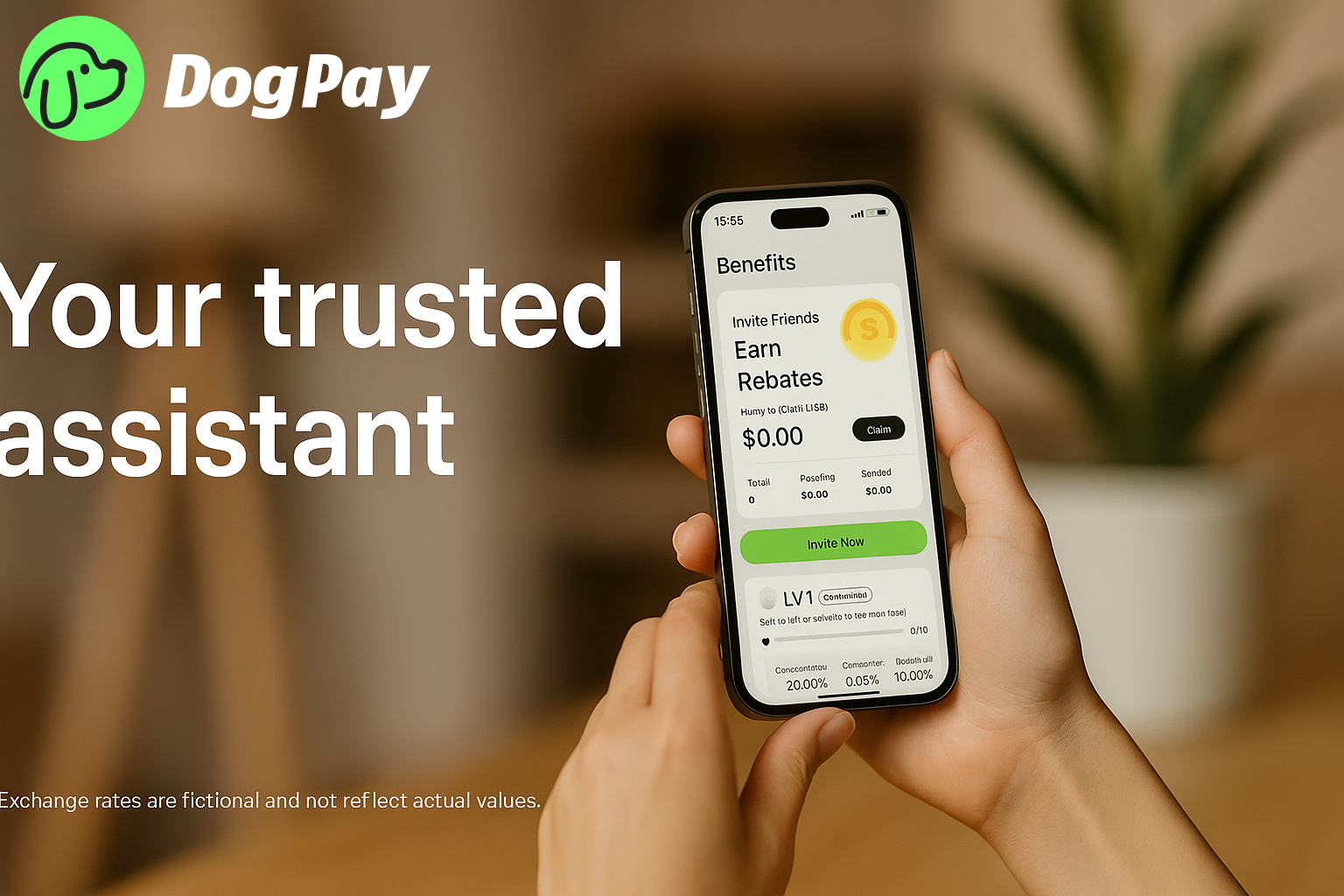
How Dogpay Protects Your Funds — Our Security Framework Explained
Introduction
At Dogpay, protecting customer assets is not just a feature — it is the foundation of our entire product.
In a global financial environment where fraud, phishing, and unauthorized transactions are rising, we are committed to providing an infrastructure built on transparency, compliance, and industry-leading security controls.
This article outlines how Dogpay safeguards your funds across technology, risk management, and operational processes.
1. Multi-Layer Security Architecture
Dogpay applies a layered defense model designed to monitor, detect, and prevent suspicious activity in real time:
• Bank-grade encryption
All sensitive data is encrypted both at rest and in transit using AES-256 and TLS 1.2+ protocols.
• Device binding & identity verification
Accounts cannot be accessed without secure device-level authorization and multi-factor authentication.
• Continuous behavioral monitoring
Our risk engine evaluates transaction patterns, device fingerprints, velocity indicators, and geolocation signals to flag abnormal behavior instantly.
2. Strong Compliance & Regulatory Alignment
Dogpay works closely with licensed partners and regulatory frameworks across the jurisdictions we serve.
Our compliance structure includes:
Customer identity verification (KYC/KYB)
Sanction list screening
Politically exposed person (PEP) detection
Ongoing monitoring for high-risk activities
Data protection aligned with GDPR-style standards
These measures ensure that Dogpay meets or exceeds global expectations for responsible financial service providers.
3. Segregated Client Funds
Customer balances are safeguarded in regulated institutions through segregated account structures.
This means customer money is never mixed with operational funds and remains protected even under extreme circumstances.
4. Fraud Prevention Technology
To combat rising global fraud trends, Dogpay incorporates:
Real-time transaction scoring
Automatic blocking of suspicious activity
Phishing detection alerts
AI-based anomaly detection
Mandatory authentication for sensitive actions
These capabilities allow us to mitigate risk proactively rather than reactively.
5. A Shared Responsibility Model
Security is strongest when both sides participate.
Dogpay provides users with education, alerts, and best-practice guidelines such as:
Avoid sharing login codes
Recognize phishing attempts
Only download the official Dogpay app
Enable multi-factor authentication
We believe transparency and user empowerment create the safest environment.
Conclusion
Dogpay is committed to maintaining a secure, compliant, and resilient financial ecosystem.
As cross-border payments evolve, our priority remains unchanged: protecting your funds and earning your trust.