Published by Dogpay ·
Your First Year Abroad: The Adjustment Is Financial Too
When students imagine studying abroad, they often focus on language, academics, or cultural differences.
But one of the most underestimated factors affecting adaptation is financial logistics.
In the first year, the pace of life accelerates quickly.
If payment systems and account access are unreliable, small frictions can accumulate into major stress.
Here’s a practical perspective on financial transitions during the first year abroad.
Phase 1: The First 30 Days
During arrival, students often face:
No local bank account yet
Security deposits and first-month rent
SIM cards and transportation passes
Initial household purchases
The issue is rarely the amount of money available.
It’s whether that money can be accessed and spent smoothly.
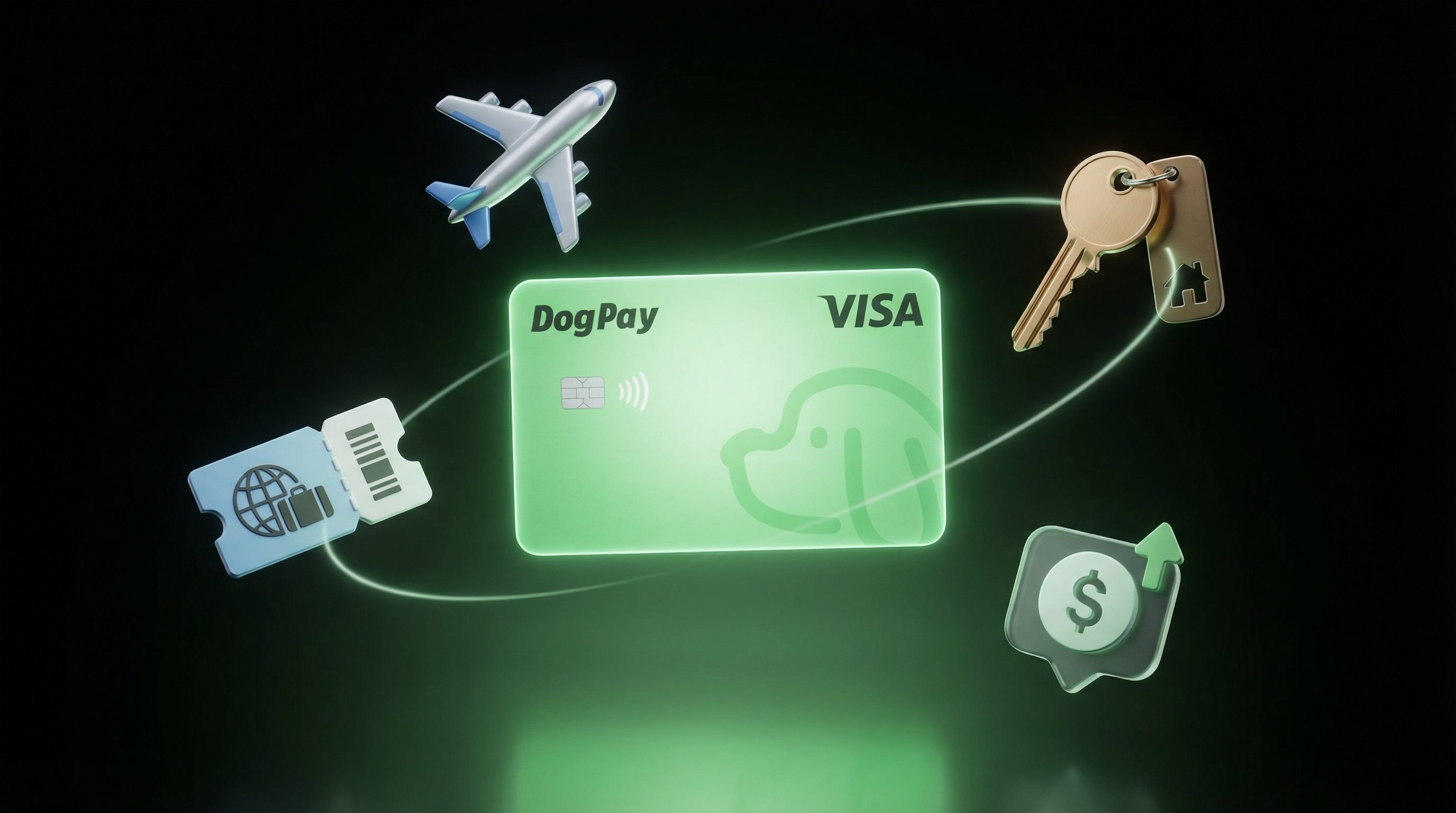
Preparing a multi-currency account before departure can reduce early uncertainty. Tools like Dogpay allow centralized fund management while local banking arrangements are still being set up.
Phase 2: Settling Into Routine
Once life stabilizes, recurring expenses emerge:
Monthly rent
Public transportation
Groceries and essentials
Digital subscriptions
If funds are spread across domestic banks, local accounts, and digital wallets, budgeting becomes fragmented.
Clear visibility across currencies and reduced conversion friction can simplify monthly planning.
Phase 3: Income Begins
Some students receive:
Campus employment income
Internship compensation
Staggered scholarship payments
At this stage, receiving and managing funds across borders introduces additional complexity.
Different jurisdictions have varying tax and reporting requirements. Within compliant frameworks, having flexible financial tools can make planning easier.
Phase 4: Travel and Mobility
Academic breaks often involve:
Visiting neighboring countries
Attending conferences
Returning home temporarily
Frequent cross-border movement increases the need for adaptable payment systems.
Transparent fee structures and globally usable cards can reduce friction during travel-heavy periods.
Financial Adaptation Is Part of Cultural Adaptation
Studying abroad is inherently cross-border.
It involves:
Multiple currencies
Different regulatory environments
Diverse payment infrastructures
When financial tools function smoothly, students can focus more fully on learning and personal growth.
Dogpay is designed to support cross-border lifestyles by offering more continuous access to funds across regions, complementing rather than replacing local banking systems.
Conclusion
Language fluency develops gradually.
Academic confidence builds over time.
Cultural comfort comes with experience.
Reliable financial preparation helps everything else fall into place more naturally.
The first year abroad doesn’t need to be frictionless.
But it can be more manageable with the right planning.