What Are CPF and CNPJ in Brazil — and Why They Matter for Payments
If you plan to live, work, or do business in Brazil, you will likely encounter two important identifiers: CPF and CNPJ. These are not just identification numbers — they are essential components of Brazil’s financial and regulatory system.
What Is CPF?
CPF (Cadastro de Pessoas Físicas) is a tax identification number assigned to individuals.
It is typically required for:
Brazilian residents
Foreigners living in Brazil
It functions as a personal identifier across many financial and administrative processes.
What Is CNPJ?
CNPJ (Cadastro Nacional da Pessoa Jurídica) is the tax identification number for legal entities.
It applies to:
Companies
Businesses
Registered organizations
Any entity conducting formal business in Brazil generally needs a CNPJ.
Why Are They Important?
CPF and CNPJ are widely used across Brazil’s financial ecosystem.
They are often required for:
Opening bank accounts
Applying for credit cards
Making online purchases
Receiving and sending payments
Registering for local services
Without these identifiers, access to basic services can be limited.
What This Means for International Users
For cross-border individuals and businesses, CPF and CNPJ can represent an entry barrier.
For example:
International students or expatriates may need a CPF for everyday transactions
Companies entering the Brazilian market may require a CNPJ
Freelancers working with Brazilian clients may need to understand local requirements
Being aware of these factors is important when planning market entry or financial operations.
Impact on Payments
In practice, CPF/CNPJ requirements can affect:
Whether a payment can be completed
Access to local payment methods
Merchant acceptance
Settlement processes
This makes them not just regulatory identifiers, but also functional components of payment systems.
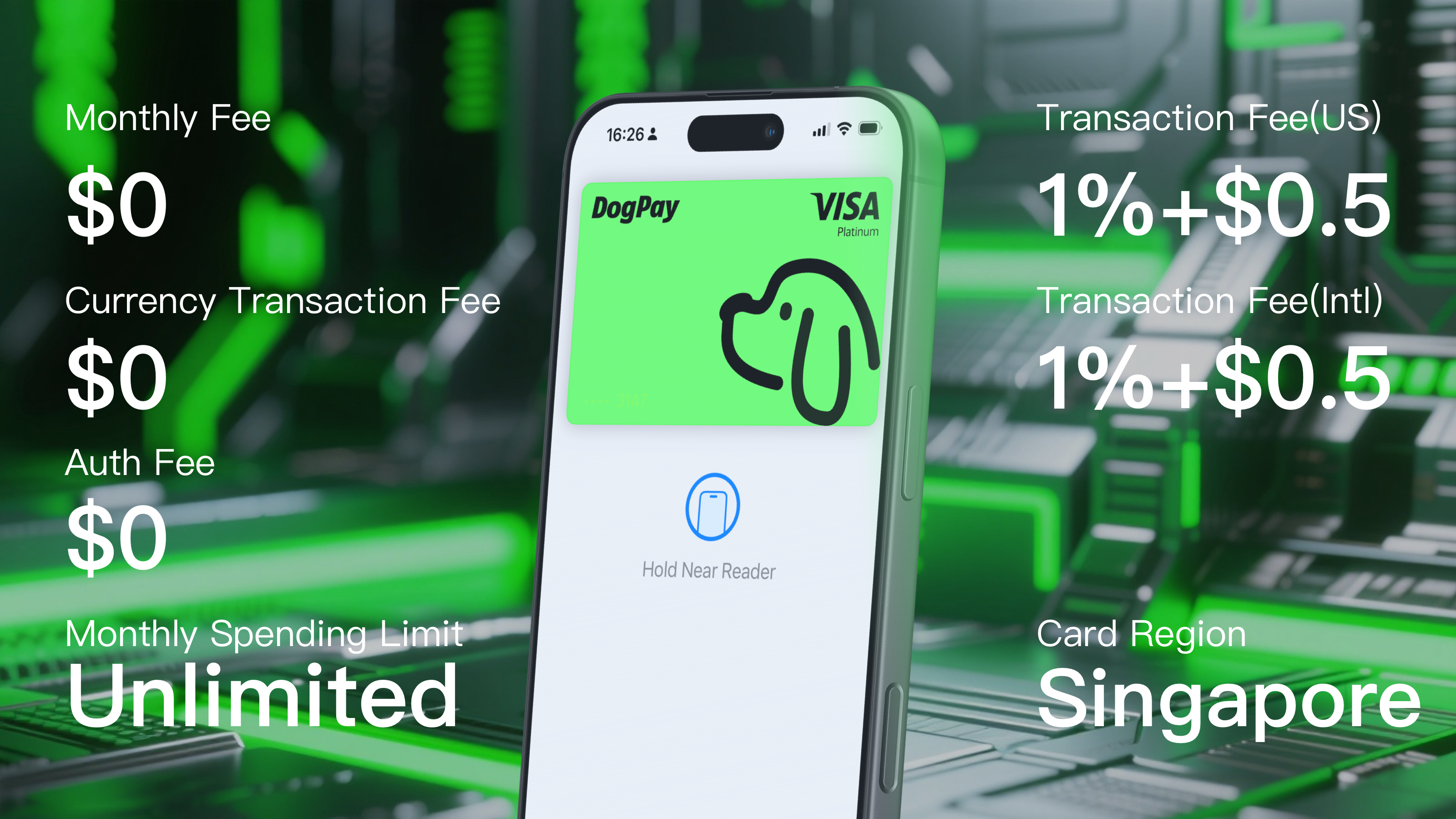
Dogpay’s Role in Cross-Border Scenarios
For users who do not yet have local identifiers, cross-border financial tools can help bridge the gap.
Platforms like Dogpay enable users to:
Manage multi-currency funds
Send and receive international payments
Make global online transactions
However, in certain local or regulated scenarios, CPF or CNPJ may still be required.
Dogpay primarily supports flexibility at the cross-border level, rather than replacing local compliance structures.
Preparing for the Brazilian Market
If you expect ongoing financial activity in Brazil, it may be helpful to:
Understand how to obtain CPF or CNPJ
Assess whether local registration is necessary
Prepare suitable cross-border payment tools
Learn about local payment systems and habits
Early preparation can reduce friction in the long term.
Conclusion
CPF and CNPJ are foundational elements of Brazil’s financial system.
For local users, they are part of everyday life.
For international users, they represent an important step toward accessing the market.
As cross-border financial tools continue to evolve, platforms like Dogpay help connect different systems — but understanding local requirements remains essential for sustainable operations.