Published by Dogpay ·
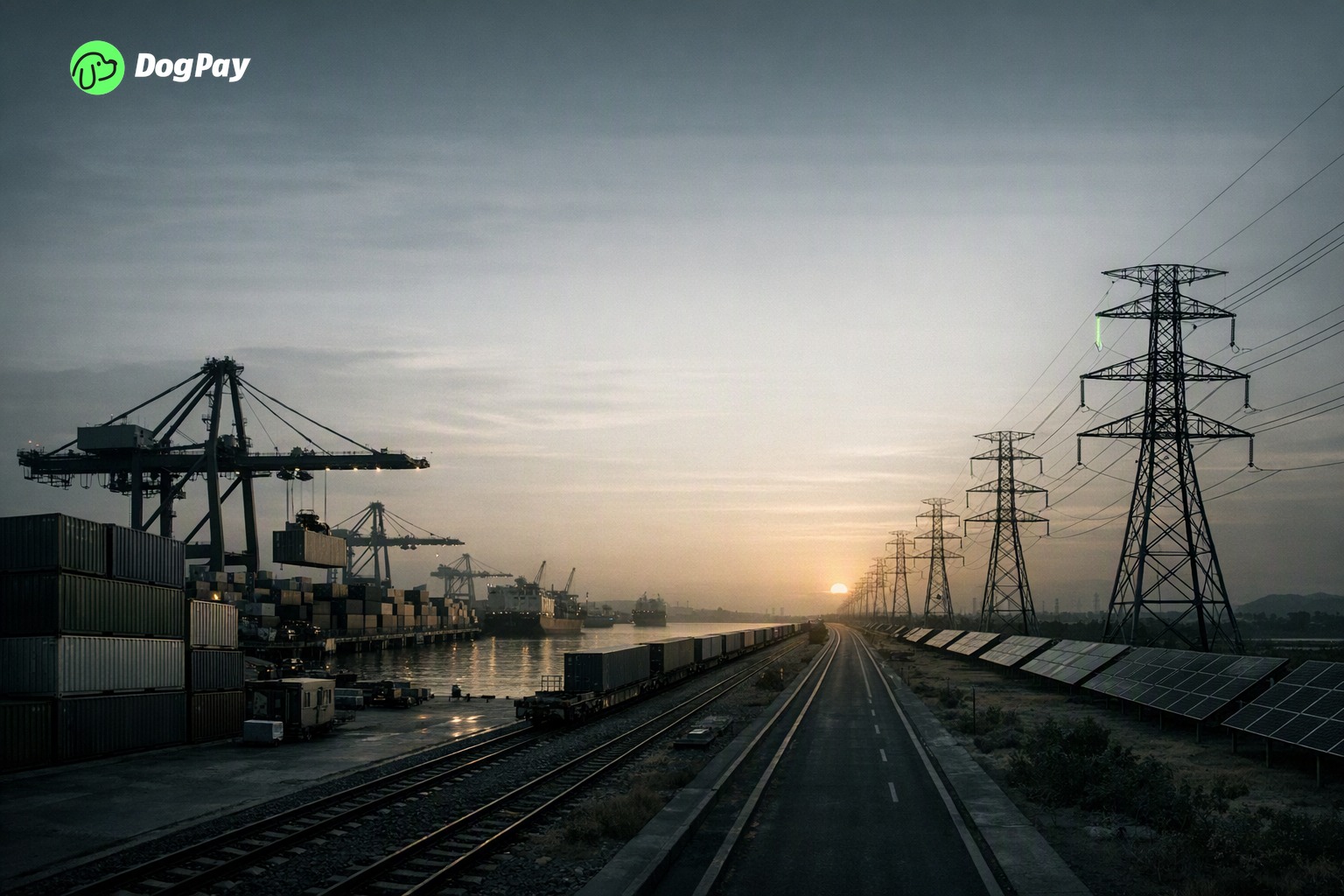
Africa’s Growth Push Meets a Persistent Credit and Power Gap
Currency Stability Has Not Solved the Credit Bottleneck
The naira strengthened about 2% between August 24 and September 4, while foreign-exchange turnover reached $2.63 billion across five sessions. Yet NGX investors lost roughly ₦1.88 trillion in one session as banking stocks sold off. Private-sector credit reached about ₦83.26 trillion, but MSMEs receive only a small share despite accounting for nearly half of GDP and most employment. High rates, short tenors, and collateral demands remain the central transmission problem.
Ports and Trade Corridors Move Forward
APM Terminals signed an MoU to develop the proposed Badagry Deep-Seaport, adding deepwater capacity and potential West African transshipment links. Nigeria also assumed the chair of the AfCFTA Council of Ministers and reported progress on non-tariff barriers. The policy test is shifting from commitments to measurable trade, investment, jobs, and business orders.
Power Reliability Remains the Binding Constraint
Nigeria’s TCN declared force majeure after the Kainji–Birnin Kebbi 330kV line was damaged by severe weather. In The Gambia, protests over blackouts lasting up to 48 hours pushed the government to promise new generation and solar capacity. These events show why industrial competitiveness depends on reliable electricity as much as on currency stability.
Health, Technology, and Accountability Advance Together
Nigeria’s scientific innovation prize went to an AI-powered MRI technology, while Nigerian startups captured 83.7% of the capital raised in Africa’s ten largest August deals. At the same time, food-safety enforcement, vaccine surveillance, insurance regulation, and judicial accountability remain urgent. Africa’s growth story is therefore an infrastructure and institutional story, not only a funding story.